When the margin for error is zero
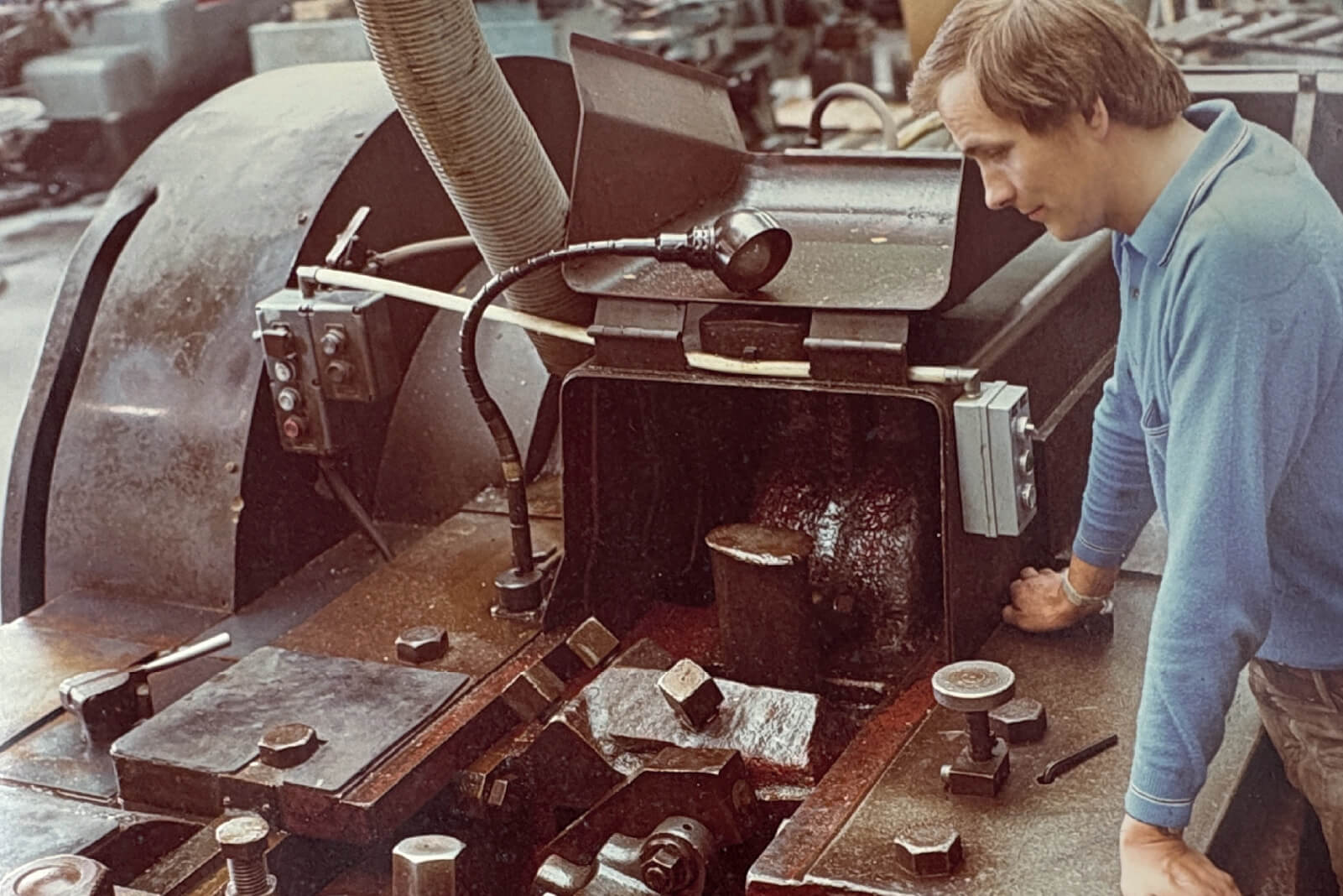
By the early 1980s, the factory in Åshammar had earned a reputation for producing fasteners that performed in the most demanding critical applications where standard fasteners simply couldn’t cope. This reputation brought some of the most demanding industrial applications.
Critical bolts were supplied to three Swedish nuclear power stations: Forsmark 3, Oskarshamn 3 and Ringhals. Among the most demanding were bolts 4.4 m in length that were designed to elongate by around 300 mm before fracture under extreme loading: ensuring controlled, predictable deformation rather than sudden failure. In practice, performance reportedly exceeded even these demanding specifications.
The same decade brought fastener deliveries to CERN, the European Organization for Nuclear Research, for their precision scientific equipment. These assignments required extremely tight dimensional tolerances, specialized material specifications and documentation standards that left nothing to chance.
It is worth reflecting on what these assignments represent. A nuclear power station is designed to operate safely for decades. A fastener failure in such an environment is not a maintenance issue — it is a potential catastrophe. The fact that bolts manufactured in Åshammar were trusted in these applications is the highest possible endorsement of the factory’s capabilities.