Building on a long metallurgical tradition
Long before the first bolt was ever threaded at Åshammar, the region had been shaped by fire and iron for centuries. The village sits in Sweden’s legendary Bergslagen region, a region in central Sweden so rich in iron ore and metallurgical tradition that it was the backbone of the Swedish industrial economy since the late middle ages. In fact, iron has been produced in Bergslagen since the bronze age, long before the foundry was established.
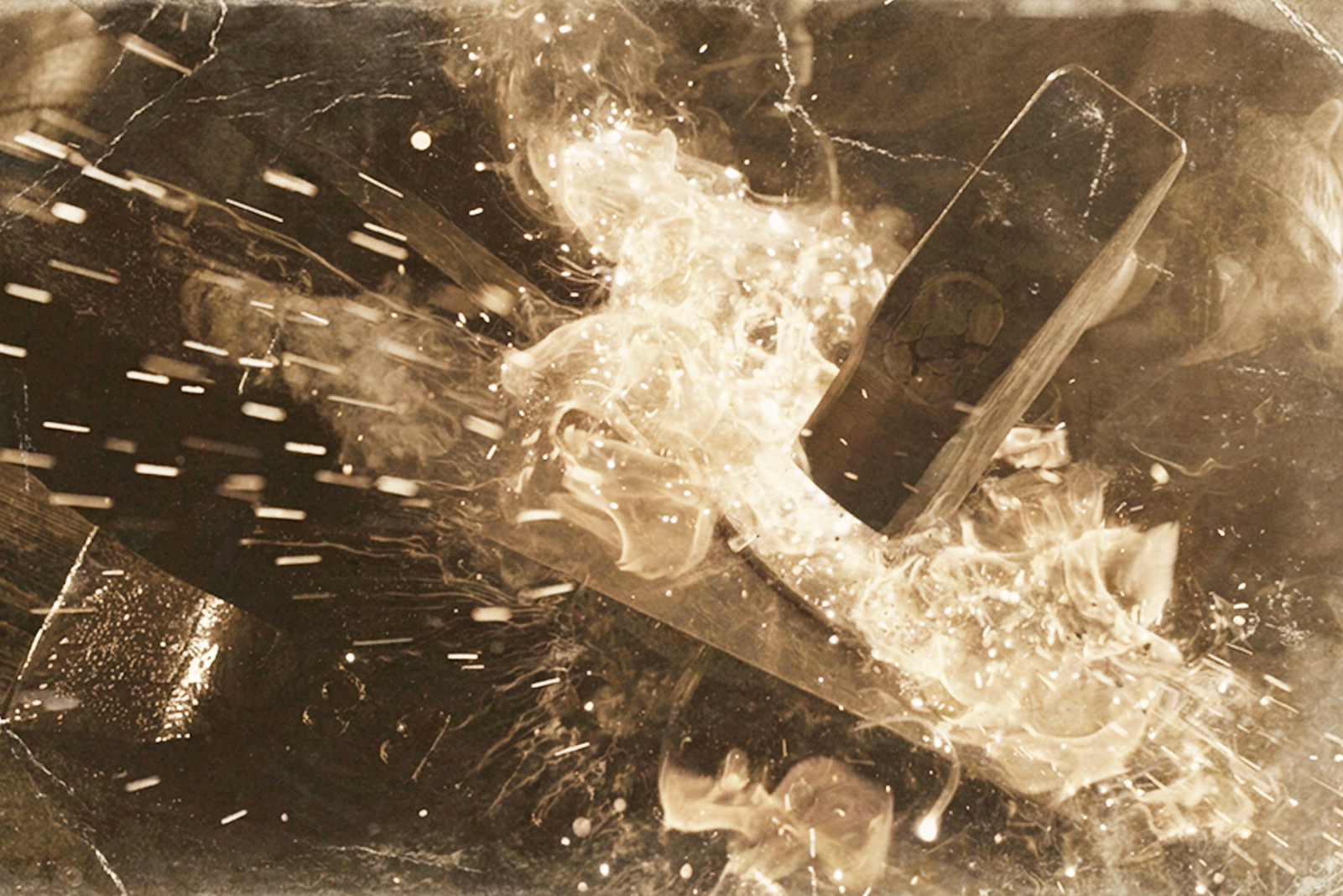
The foundry’s origins are rooted in the 1600s, when both a hammer forge and a smithy were established at Åshammar. The name “Åshammar” literally means “hammer on the ridge” and is believed to have been home to iron working since the 1300s
In those early centuries, the rhythmic blows of the hammer forge were so constant and familiar that local oral tradition tells of workers interpreting the beats as spoken phrases — the hammers “talking” of production success in good times, and of financial hardship when orders were thin. This is a reminder that the forge has always been much more than an industrial site, but the heartbeat of an entire community.
The original hammer forge gradually declined over the centuries and was finally destroyed in a major fire in 1895. Yet the spirit of metalworking that had defined Åshammar for generations lived on and the foundations were already in place for the next chapter.